Facilities & Infrastructure
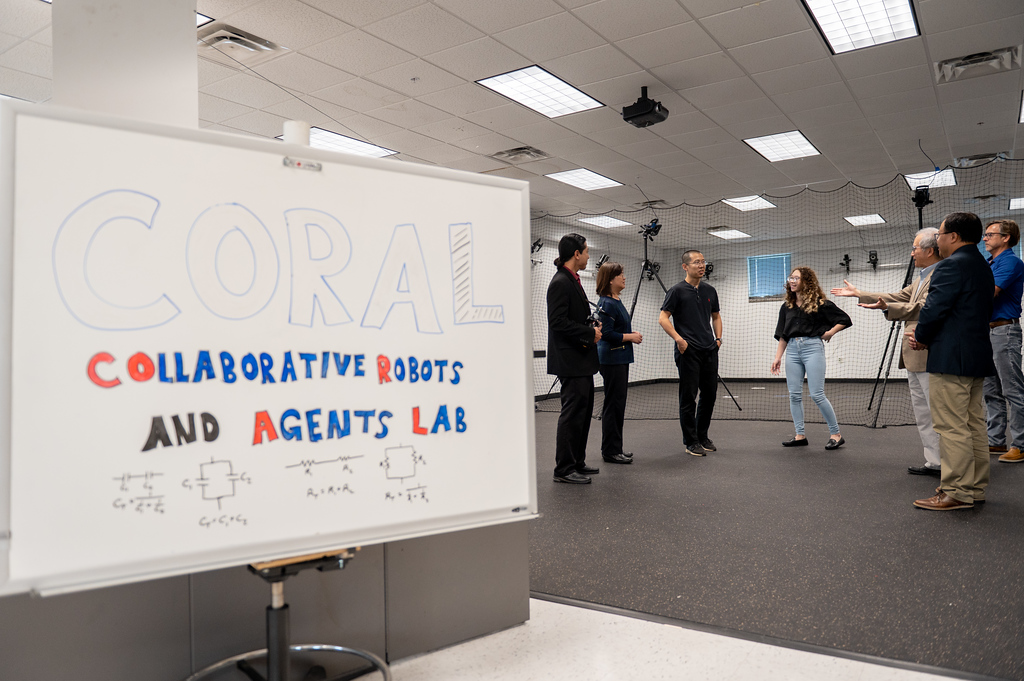
Collaborative Robots and Agents Lab
The CORAL Lab advances research in autonomous systems, marine robotics, sensing technologies, and resilient coastal infrastructure. The laboratory supports development of modular robotic platforms, intelligent sensing systems, and deployable technologies designed for shoreline assessment, environmental monitoring, and infrastructure protection in harsh marine environments. CORAL provides hands-on research opportunities for graduate students working in coastal resilience and adaptive monitoring systems.
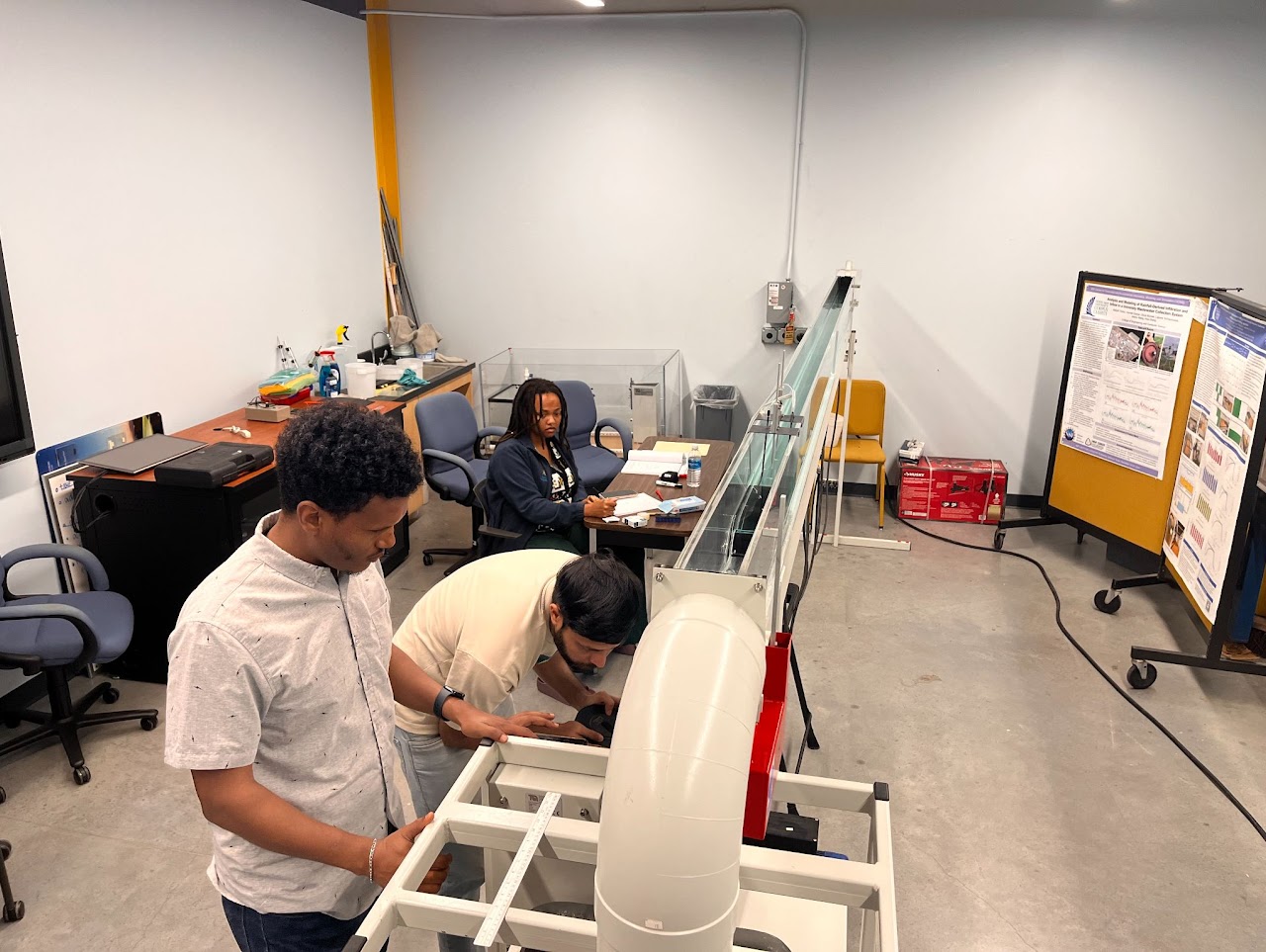
Water & Environmental Systems Analysis Laboratory
The WESA Lab focuses on water systems modeling, hydrologic analysis, and infrastructure resilience. Research includes stormwater management, watershed modeling, and predictive tools for coastal and urban water systems. The lab supports data-driven approaches to climate adaptation, environmental protection, and resilient infrastructure planning. WESA strengthens interdisciplinary research connecting engineering systems with environmental sustainability.
High-Performance Computing (HPC) Cluster
The HPC Cluster provides advanced computational power to support large-scale modeling, simulation, data analysis, and system optimization. This infrastructure enables research in power systems, fluid dynamics, environmental modeling, and complex engineering simulations. By expanding computational capacity, SPED enhances faculty productivity and graduate research training in data-intensive engineering domains.
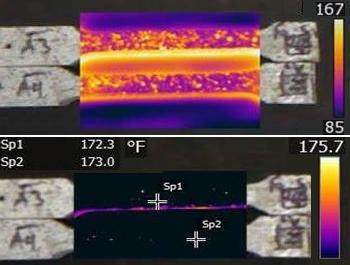
Imaging Modalities and Applications, Optical Instrumentation
This research area focuses on advanced optical imaging systems and image analysis techniques, including visible, thermal, and hyperspectral modalities, to support applications in engineering, environmental sensing, and biomedical systems.