Dr. William R. Benner
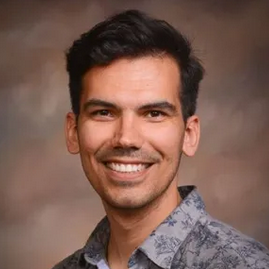
Dr. William R. Benner is an associate professor at Texas Woman’s University in the English, Speech, and Foreign Languages department. His research focuses on recent artistic production by Argentina’s post-dictatorship generation and how these works engage ethical and theoretical questions related to human rights activism.
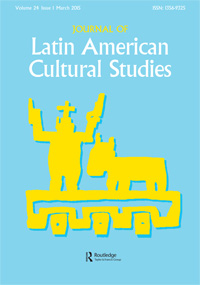
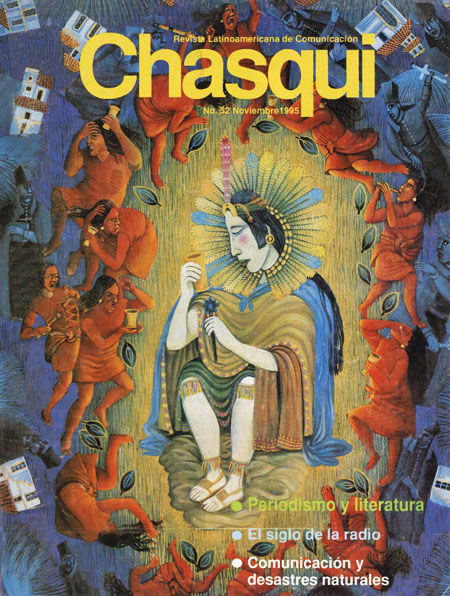
Benner’s work has appeared in the Journal of Latin American Cultural Studies (2022), including his article “Digital Archives and Intergenerational Reckoning with Chile’s Traumatic Past in Mis documentos (2014) and Poeta chileno (2020) by Alejandro Zambra” (available here). Another of his recent articles, “Blogging Disappearance in Diario de una princesa montonera by Mariana Eva Perez,” was published in Chasqui: Revista de Literatura Latinoamericana (2018) (available here).
With the introduction of a new B.A. in Spanish Translation and Interpreting (Medical), Benner is currently teaching SPAN 4303: Latin American Literature, Cinema, and Culture. This course focuses on defining and closely examining a “culture of neoliberalism” across a selected series of texts, with an additional emphasis on student expression. In the course, students completed translation projects, produced a short mini-documentary, and explored writing poetry that could be adapted into another format, such as a song.
As an example of the work students produced, Benner and his class submitted two collaboratively written poems to the Windward Review, “Tejas Debe Mejorar” and “Podemos Vivir (Texas Livin’).” Both poems focus on the state of Texas and are written in Spanish. Dr. William R. Benner
To celebrate and recognize the work of these talented writers, here are the names of everyone involved in creating these works: Lizebeth Castillo, Jennifer Delgado, Claudia Galarza, Ashley Hernandez, Valeria Jasso, Morra Lemme Catoni, Ariana Morales, Elisa Padilla, Abril Ramirez, Brenda Ruvalcaba, McKenna Weymer, and Nayeli Diaz.
Excerpt from "Tejas Debe Mejorar"
| “Tú dices proteger, pero no nos dejas crecer ¿Cómo podemos confiar si no nos quieres escuchar? ¿Cómo podemos creer cuando nos haces temer? No es justo gobernar sin primero mirar. Nosotros salimos a trabajar tratando la renta pagar Ellos hablan de libertad, pero no de igualdad Prometen seguridad, pero siembran ansiedad Dicen que es para mejorar, pero cuesta respirar Cuando la luz se fue a apagar, ¿quién vino a ayudar?” |
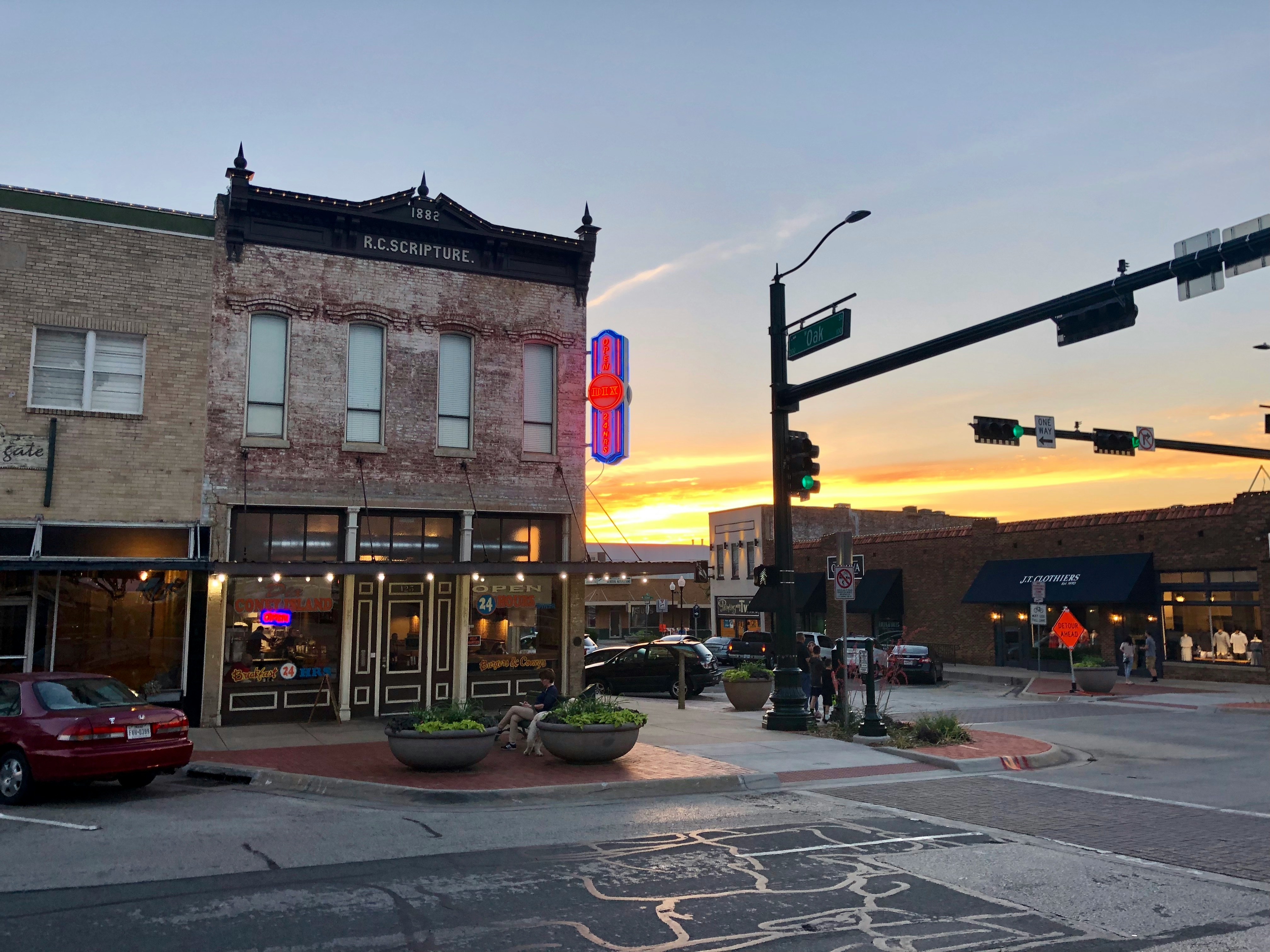
Photo of Denton, Texas by Monica Bourgeau. |
Editorial Notes of Praise
From assistant editors of the Windward Review: “These pieces align beautifully with our vision, and we genuinely enjoyed reading them. As a Texan myself, I connected deeply with these works. To be moved by a poem is to connect with its content, and your writing created that experience for our team. The vulnerability in these pieces is captivating. Living in a state that is not always the most inclusive can be challenging, yet choosing to love it while recognizing its flaws requires balancing accountability with pride. Both of these poems capture that tension and show that these truths can coexist, making them especially powerful and resonant.”
“Both poems are explicitly critical of authority. They question the "proteger" (protect) claim of the state, pointing out that it feels more like "temer" (fear). They answer the prompt’s question of "how do we hold space?" by stating "todavía ando aqui" (I am still here). This is the ultimate act of presence, refusing to be moved or silenced. These poems redefine the "Texas" identity. It is not just "red or blue" ("No es rojo, no es azul"); it is the perspective of the "working class grind" and the "pueblo buscando luz" (people seeking light).